
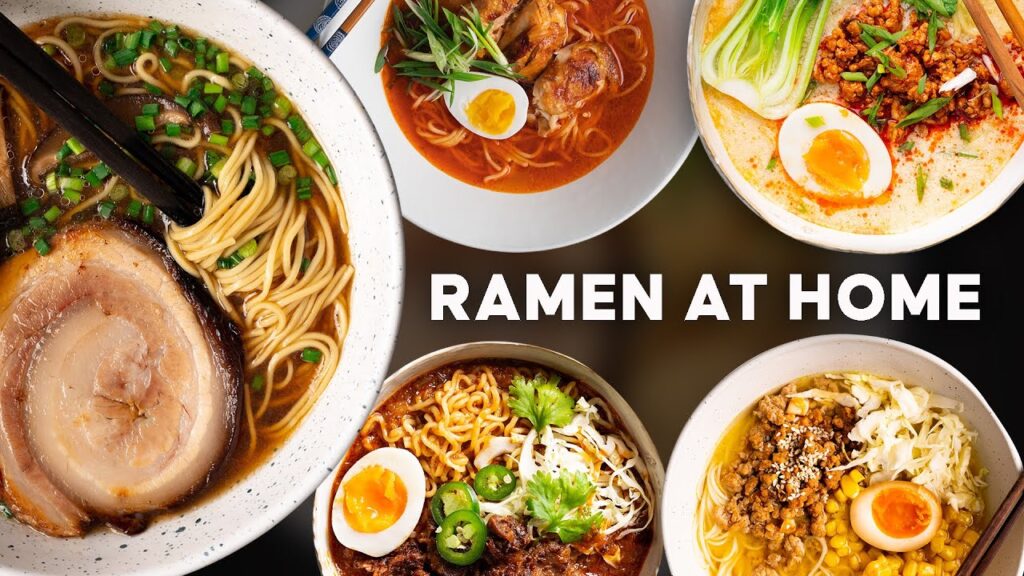
Ramen—a dish that transcends borders, cultures, and culinary expectations. From the bustling streets of Tokyo to small-town noodle shops across the globe, its allure is universal. But what if you could capture the soul-warming magic of ramen in your own kitchen? With the right guidance, ingredients, and a touch of artistry, the perfect homemade ramen soup is well within your reach.
This comprehensive guide will illuminate the path to creating a bowl of ramen that not only satisfies your cravings but also carries the spirit of this beloved dish. Whether you are a seasoned ramen lover, a curious home cook, or someone looking to explore a new culinary adventure, this is your guide to mastering ramen at home.
The Journey of Ramen: A Brief History
Ramen’s origins trace back to China, yet it is Japan that embraced and transformed it into the cultural and culinary phenomenon we adore today. Emerging as a street food after World War II, ramen quickly captured the hearts of millions with its diverse broths and bold flavours.
From miso ramen in Hokkaido, rich with fermented soybean paste, to Kyushu’s creamy tonkotsu broth, crafted by simmering pork bones to perfection, each region in Japan brings its own unique spirit to the dish. It is this adaptability—this combination of deep heritage and individuality—that has made ramen a global sensation.
Types of Ramen and Regional Variations
Understanding ramen’s diversity is essential to creating your best bowl. Here are a few key types and their distinct characteristics:
- Shoyu Ramen (Soy Sauce): Characterised by a savoury soy sauce base, shoyu ramen offers a clearer, lighter broth that is perfect for first-timers.
- Miso Ramen: This hearty soup owes its creamy umami flavour to miso paste and is ideal for cooler months.
- Shio Ramen (Salt): Delicate and refined, the salt-based broth often highlights the natural flavours of chicken or seafood.
- Tonkotsu Ramen: Famous for its rich, creamy texture, tonkotsu broth is crafted by boiling pork bones for hours. It is the epitome of indulgence.
- Tsukemen (Dipping Ramen): Served with noodles on the side and a concentrated dipping sauce, this style offers a different way to experience ramen.
Each type offers an opportunity for personalisation, allowing you to select the best fit for your preferences or experiment with various styles over time.

Choosing Ingredients That Inspire
Creating restaurant-quality ramen starts with the right ingredients. Here’s what you’ll need to bring your broth to life and elevate your bowl to perfection.
Broth Base
The heart of your ramen lies in the broth. Whether you’re creating tonkotsu, shoyu, or miso, choose the finest ingredients for an authentic taste.
- For Tonkotsu: Pork bones, chicken carcasses, and aromatics like garlic and spring onion.
- For Vegetarian Broth: Kombu (dried seaweed), shiitake mushrooms, and miso paste work harmoniously.
- For Shoyu Base: Soy sauce, mirin, and chicken or vegetable stock form the foundation.
Noodles
Ramen noodles vary widely in thickness and texture. Traditional wheat-based noodles with a slight chewiness are ideal. Many Asian grocers carry fresh or frozen noodles that mimic those in Japanese ramen shops.
Essential Add-ons
Common garnishes include soft-boiled eggs, nori (seaweed), and bamboo shoots, while protein options like pork belly (chashu) or braised tofu can turn your bowl into a meal.
Crafting Your Broth
The magic of ramen begins in the soup pot. The process is part science, part art, and entirely rewarding.
- Meat-Based Broth: Begin by blanching pork or chicken bones for 5 minutes to remove impurities. Rinse thoroughly, then simmer with aromatics (garlic, onion, ginger) for 8-10 hours for depth and richness. Strain and season.
- Vegetarian Broth: Slowly simmer kombu and shiitake mushrooms, along with sautéed garlic and ginger. Add miso paste for a creamy finish.
The secret lies in patience. Allowing flavours to develop over time is the key to soul-satisfying ramen.
Noodles Done Right
Achieving the perfect noodle texture is essential.
- Boil your noodles for 2-3 minutes if they’re fresh or longer if dried (consult the packaging).
- Lightly toss cooked noodles with sesame oil to keep them from sticking and enhance flavour.
For home cooks feeling adventurous, try making ramen noodles from scratch. A blend of wheat flour, water, and kansui (alkaline water) is all you need. It takes effort but offers unmatched satisfaction.
Garnishing Your Masterpiece
An excellent ramen bowl is not just about flavour—it’s a feast for the eyes. Here are some ideas to elevate your creation with toppings that inspire and delight.
Traditional Toppings
- Marinated Eggs (Ajitsuke Tamago): Soft-boiled eggs marinated in soy, sake, and mirin.
- Chashu Pork: Braised pork belly melts in your mouth and pairs beautifully with tonkotsu.
- Nori Strips: Add bursts of umami with lightly toasted seaweed.
Creative Alternatives
- Spicy Kimchi: A Korean twist that adds heat and tang.
- Smoked Salmon or Tofu: For a refined touch.
- Fried Shallots or Garlic Chips: Add texture and a savoury crunch.
Presentation Is Everything
A well-composed bowl of ramen should be as appealing visually as it is to the palate. Consider these tips for the perfect presentation.
- Arrange toppings neatly around the bowl, leaving the centre clear to showcase the noodles and broth.
- Use vibrant ingredients like spring onions or sesame seeds for pops of colour.
- Serve in large, deep bowls to retain warmth and a generous feel.
Encourage mindfulness as you serve—each component has its place and purpose.
Dare to Personalise
Ramen invites creativity. The best bowls often come from experimentation and intuition. Don’t hesitate to adapt recipes to fit your tastes, blending regional styles or creating your signature flavour.
Take it further by inviting feedback from friends, family, or fellow food enthusiasts on your creations. Join community platforms where you can exchange ideas, share pictures, and inspire others in their ramen-making adventures.
Your Ramen Adventure Awaits
Mastering homemade ramen is as much about the process as it is about the result. With every chosen ingredient, every simmered broth, and every carefully placed garnish, you’re crafting more than a meal—you’re creating an experience.
Now, it’s your turn. Gather your ingredients, clear your kitchen counter, and let the art of ramen-making guide you. Once you’ve crafted your masterpiece, share your creations with us on social media or our blog’s community page. Together, we celebrate the flavours that bring us closer.





Leave a comment